
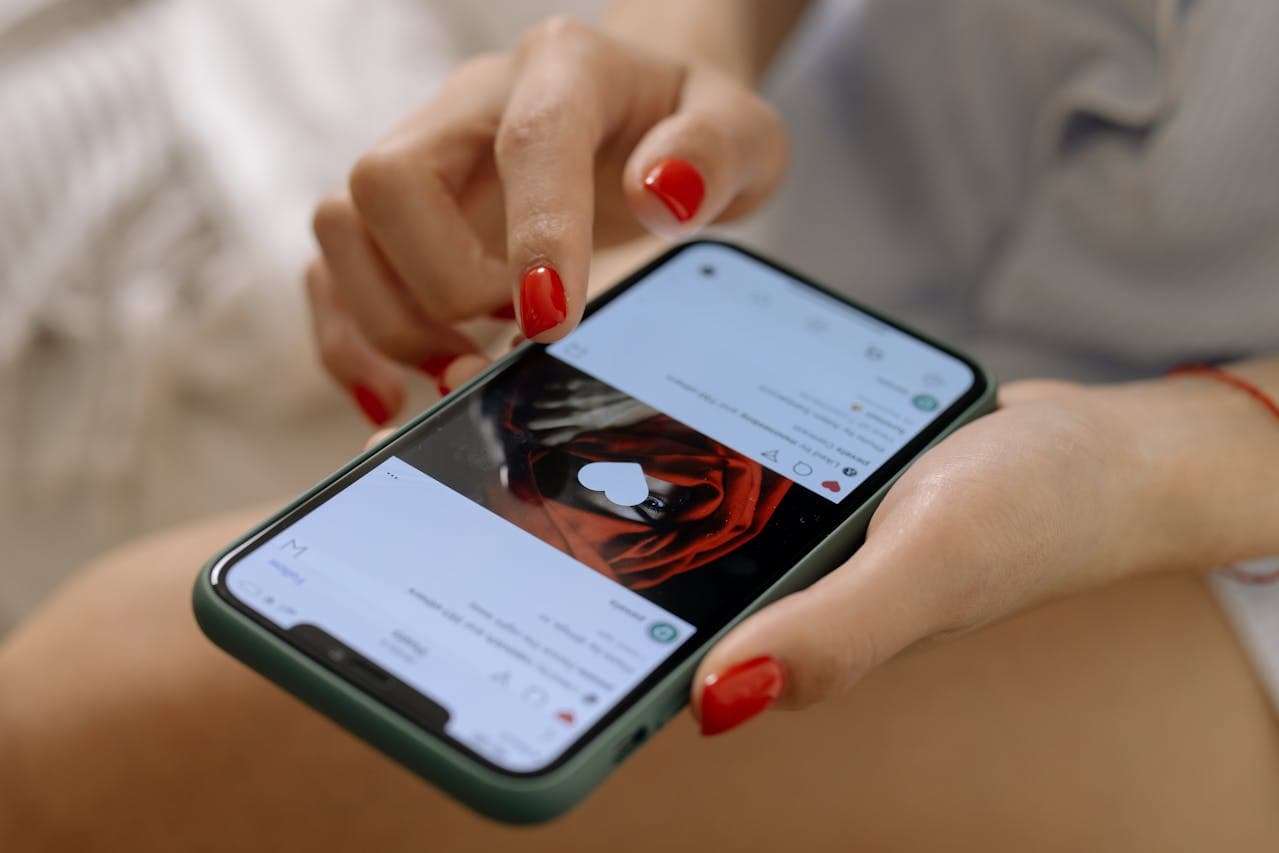
The Death of the Generic Link-in-Bio: Why Creators Need a Dedicated Directory
Generic link-in-bio tools were built for clicks, not payments. Why creators who get paid online are moving to a page built for payment methods.
The Link-in-Bio Was Never Built for This
Link-in-bio tools solved a real problem when they launched. Instagram gave you one link. Linktree, AllMyLinks, Beacons, and a dozen others let you turn that one link into many. Simple, useful, done.
But then something changed. Creators started using their bio link for payments — not just navigation. That one-link page became the entry point for Venmo requests, Cash App tips, invoicing links, and subscription signups. The link-in-bio page went from a menu of destinations to a payment terminal.
The tools didn't keep up. They're still optimized for the original job: directing clicks. When the job becomes collecting money, generic link-in-bio pages fail in ways most creators never see.
Tips on reducing payment friction, straight to your inbox.
Why "Good Enough" Costs Creators Real Money
A link-in-bio page that handles traffic and payments identically treats a Spotify playlist link the same as a Venmo payment link. Same standard hyperlink. Same redirect behavior. Same lack of intelligence.
That equivalence is the problem. When a client taps your Venmo link from Instagram and it opens Venmo's website inside Instagram's own browser instead of the app, that's not Venmo's fault. It's payment friction created by a tool that doesn't know the difference between a content link and a payment link.
The result: payment attempts fail silently. Clients don't tell you "your link didn't work." They just don't pay. They move on. You never see the drop-off because your link-in-bio tool only counts clicks — not completions.
We broke down this exact failure chain in detail in The Linktree Problem, but the issue isn't limited to Linktree. Every generic link-in-bio tool shares the same fundamental architecture: standard links, with no app link tried first. The brand on top doesn't matter if the pipes underneath are all the same.
What a Dedicated Payment Directory Actually Does
A dedicated payment directory isn't just a link-in-bio with better branding. It's a fundamentally different architecture built around a single premise: the person tapping your link is trying to pay you, not browse your content.
That premise changes everything:
Deep Links Instead of Browser Links
On a phone, a SettleQuik page tries Venmo's app link first and falls back to the same profile on the web. Cash App and PayPal links open their apps when they're installed. Whether the client is asked to sign in is up to the payment app, not the link.
Payment-Aware Analytics
A content link-in-bio counts clicks on links. A payment page shows which payment methods visitors tap (Pro and up). Compare that with what arrived in each app, and you'll see which methods your clients actually finish with.
Daily Link Checks
Generic tools don't check if your links still work. On paid plans, SettleQuik checks your payment links every day and emails you if one breaks.
Multiple Payment Methods, Intelligently Displayed
Creators who collect payments through a single method are one platform decision away from losing their income stream. A payment directory supports the full spectrum — Venmo, Cash App, Zelle, PayPal, Paxum, Wise, Revolut, Pix, crypto — and shows them in the order you choose.
The Market Is Already Moving
This isn't a theoretical shift. Three things are driving it right now:
1. Platform risk. Adult content creators lose accounts on mainstream tools when a platform's rules change. When your link-in-bio page goes, every payment link on it goes too.
2. Payment fragmentation is increasing. Many creators now take several methods: domestic apps (Venmo, Cash App, Zelle), international rails (Wise, Revolut, Paxum), and crypto. Managing that stack on a tool designed for three social media links doesn't work.
3. Clients expect professionalism. The creator economy has matured. Clients paying $500+ for a commission, service, or collaboration expect a payment experience that doesn't involve a Linktree page with a free-tier watermark. First impressions on payment pages affect whether people follow through.
Who Needs to Make the Switch
If you use your bio link exclusively for social media links, blog posts, and YouTube videos — a generic tool is fine. That's what they're built for.
But if any of the following apply, you've outgrown generic:
- You collect payments through Venmo, Cash App, Zelle, or any peer-to-peer app via your bio link
- You support more than two payment methods and need clients to find the right one
- You've had clients say "I tried to pay you but it wasn't working"
- You operate in an industry that mainstream link-in-bio tools restrict in their TOS
- You manage payments for multiple creators or personas
- You've never compared taps on each method with what arrived
If even one of those is true, you're paying a hidden tax every month — not in fees, but in payments that were attempted, interrupted, and never completed.
The Directory Model Is the Future
The link-in-bio category had a good run. It solved a real problem at a time when creators mostly needed a way to send traffic. But creators have evolved. They're running businesses now, not just collecting followers. The tools need to evolve too.
A dedicated payment directory doesn't replace your content links — it separates the job of getting paid from the job of directing traffic, and gives each the specialized infrastructure it requires.
The generic era is ending. The question is whether you wait until the lost payments add up, or you switch before they do.
See how SettleQuik stacks up against every major link-in-bio tool: Side-by-side comparisons vs Linktree, AllMyLinks, Beacons, and more →
Read Next:
The Silent Income Killer: What Happens When Your Payment Link Breaks Unnoticed →
Build your payment directory with SettleQuik — free to start →
Continue this topic
This article belongs to the Creator Monetization pillar. Explore the full cluster for more guides connected to this subject.
Explore Creator MonetizationPublished by SettleQuik, a directory of the payment methods you already use. Why we built it · Plans and pricing